Questions About the Land, Answered
Clear answers about acreage, utilities, building, financing, and visiting Valley Crest Ranch.
How large are the tracts?
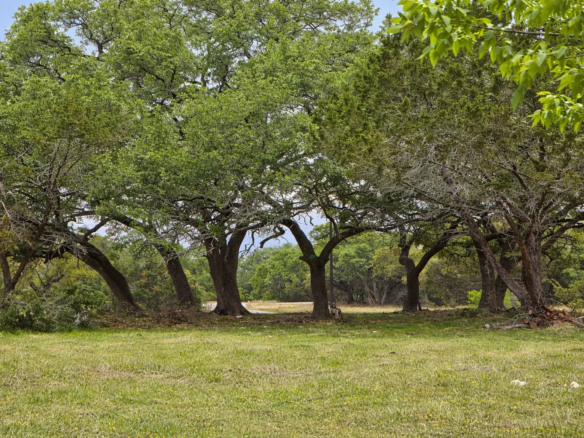
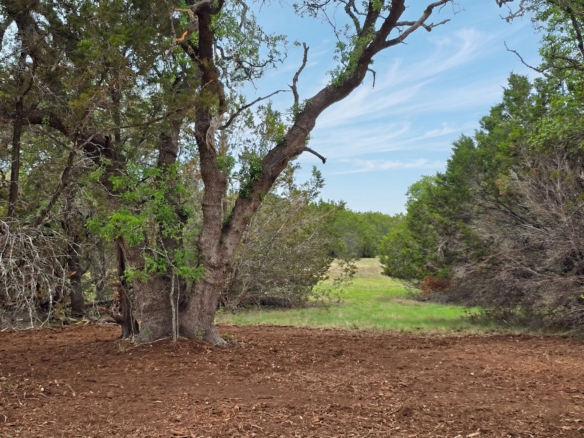
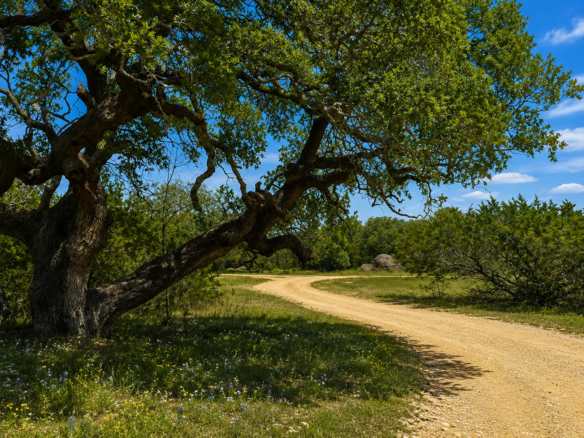
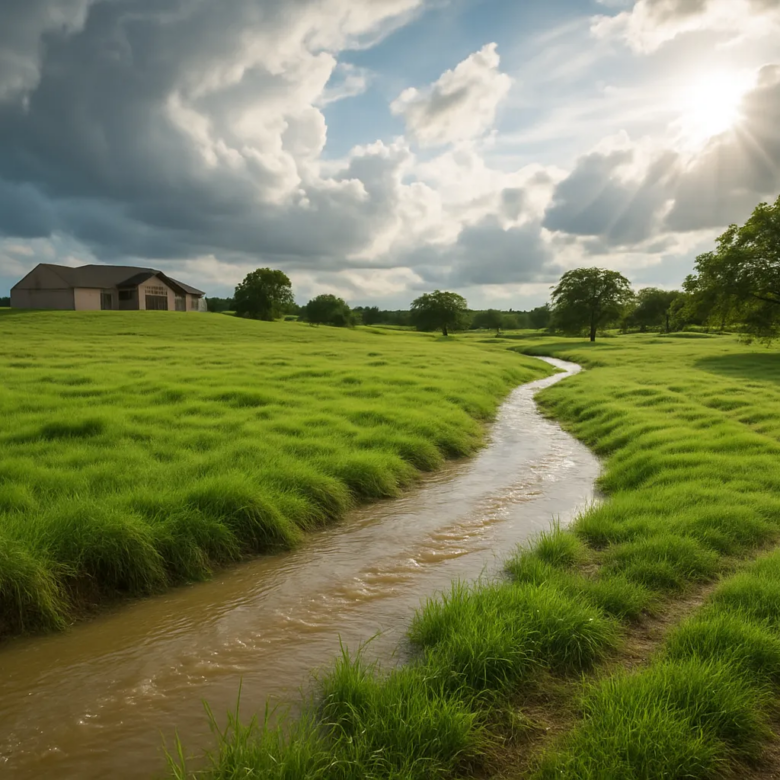
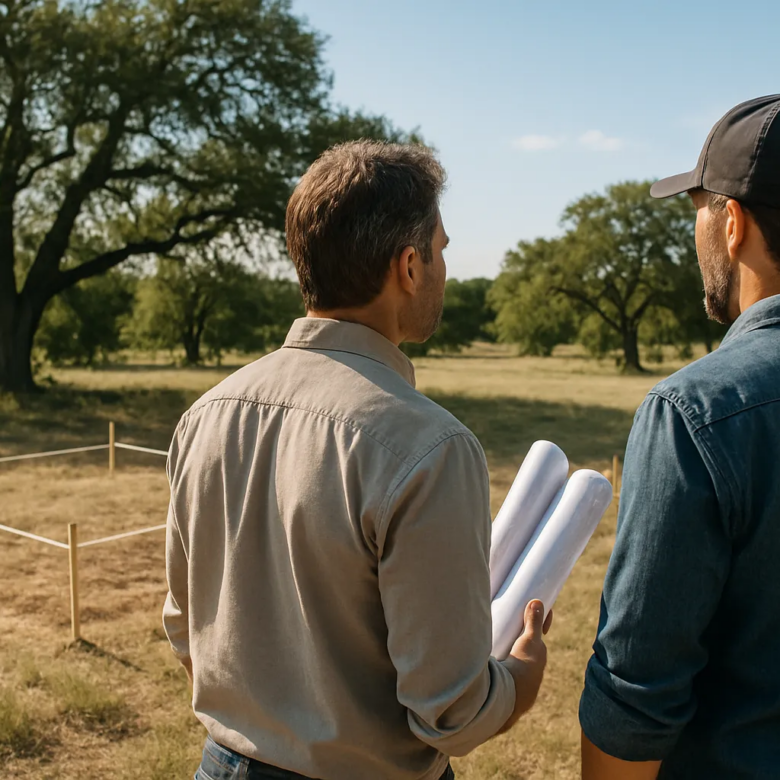
Available tracts range from 10 to 18 acres, with room for a home, horses, a workshop, and open space.
What can I build?
Site-built homes, barndominiums, guest houses, barns, and workshops are allowed within the recorded restrictions.
Are manufactured homes allowed?
Manufactured and modular homes are permitted on qualifying tracts. Confirm the final restrictions for the tract you are considering.
Is there a minimum home size?
No. There is no minimum home size and no required building timeline.
Can I live in an RV?
No. RVs cannot be used as permanent or temporary living quarters, including during construction.
Are water and electricity available?
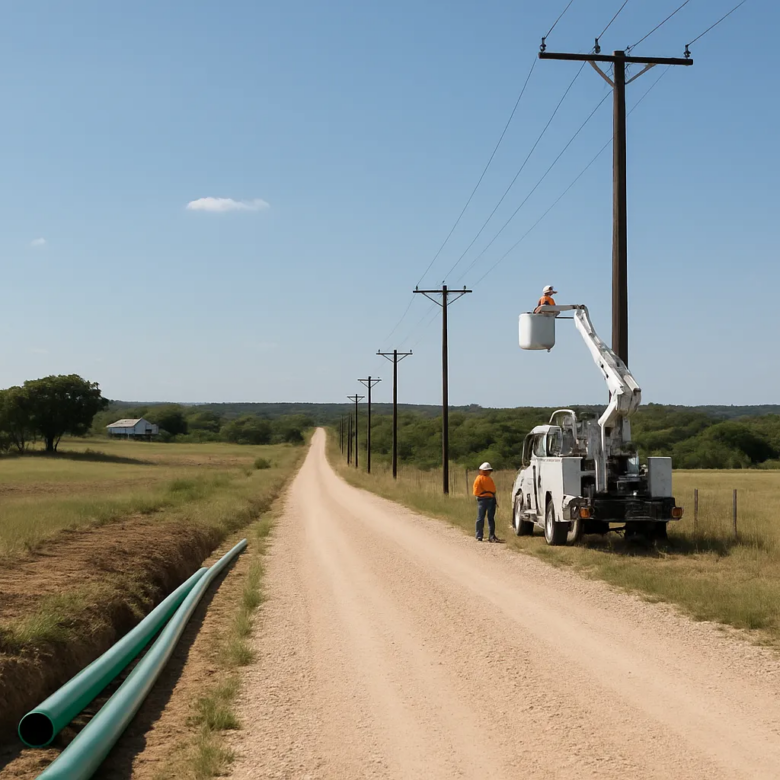
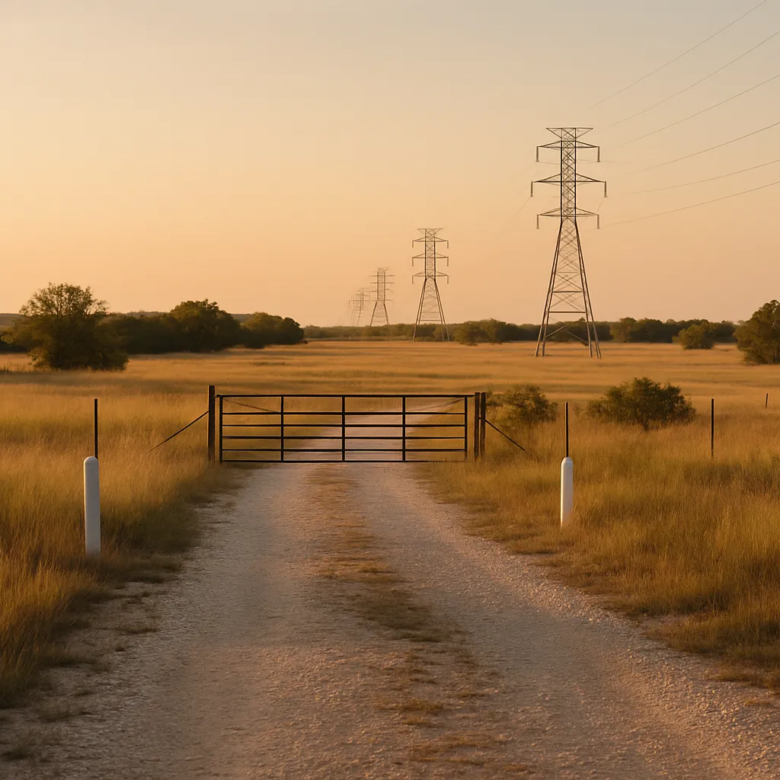
Yes. Kempner city water and Hamilton County Electric Cooperative service are available at every tract.
Who pays for utility connections?
Buyers coordinate the water meter and electrical extension to their homesite. These costs can often be included in a new-home construction loan, reducing the amount needed upfront.
What internet options are available?
Starlink provides a high-speed rural option, and major cellular providers generally serve the area.
Will I need a septic system?
Yes. Buyers arrange the required evaluation and installation when building living quarters. Septic costs can often be included in the construction loan.
How much is the typical down payment?
Many rural-land lenders require about 20% down. Preferred options include AgTrust, Capital Farm Credit, Huntington Bank, and the Texas Veterans Land Board. Owner financing is not offered.
Are veteran land loans available?
Qualified Texas veterans may be eligible for a Veterans Land Board loan with as little as 5% down, subject to approval and program limits.
Does the land have an ag valuation?
Yes. Every tract currently carries an agricultural valuation. New owners must continue a qualifying agricultural or wildlife-management use to preserve it.
Can beekeeping qualify for ag valuation?
Texas permits qualifying beekeeping on properties from 5 to 20 acres. The Lampasas Central Appraisal District determines eligibility.
Is there an HOA?
No. There are no mandatory HOA dues. Limited deed restrictions protect property values without requiring owners to build by a certain date.
What else do the restrictions cover?
Tracts cannot be subdivided. Legal hunting, livestock, guest houses, and low-impact home businesses are allowed, but recreational target shooting is prohibited.
What other costs should I plan for?
Plan for closing and lender fees, utilities, a driveway, septic, and optional fencing. The seller pays for the survey. Shared-road users contribute only when maintenance is needed.