Valley Crest Ranch Resource Library
Land Buying Guides
Plain-language field notes for first-time buyers considering Central Texas tracts in the ten-to-twenty-acre range.
10 Things to Walk Before You Buy a Tract of Land
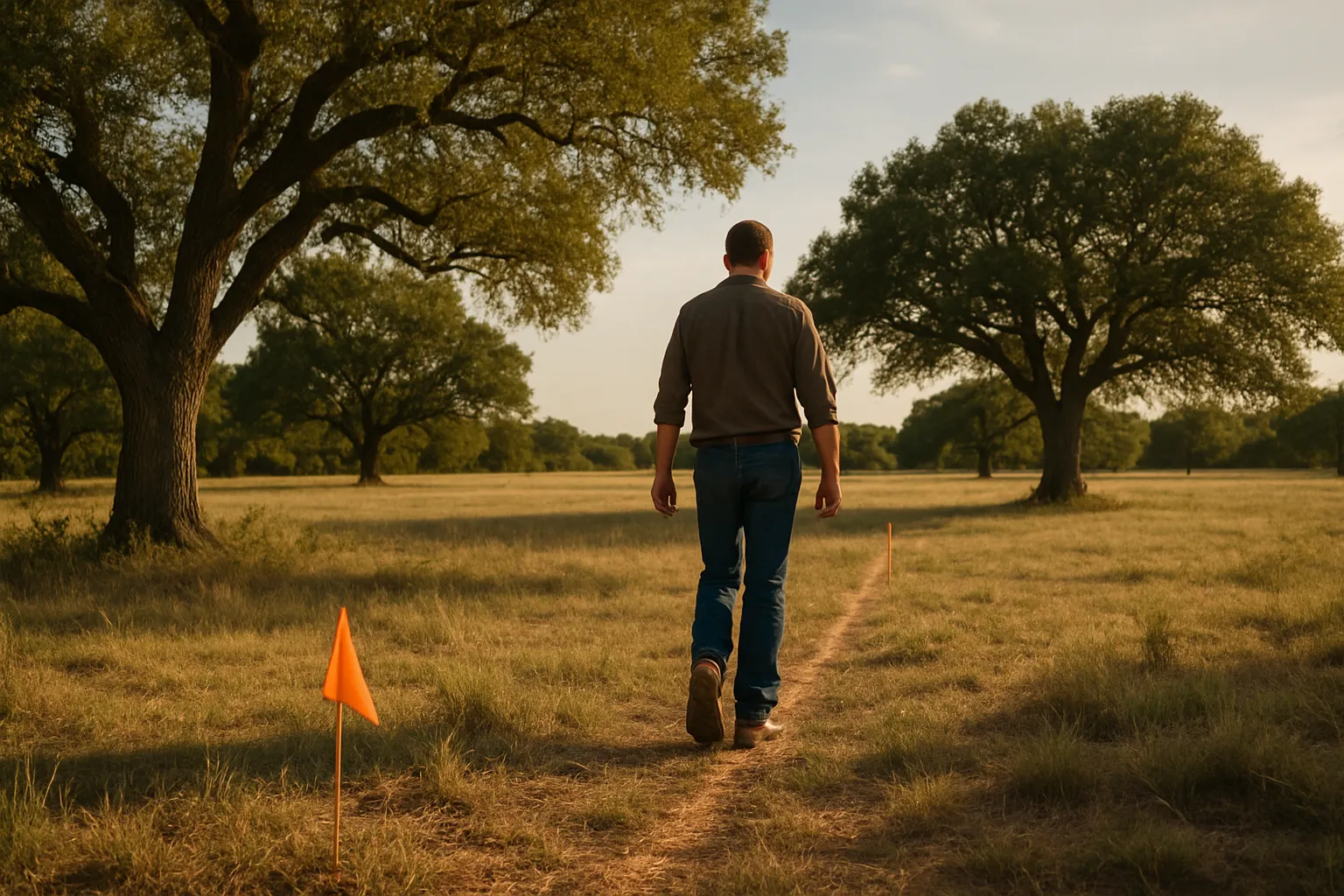
Photos sell land, but boots confirm it. Before you write a contract on any tract, walk the property with this list in hand.
- Find the staked corners and walk the boundary lines.
- Drive the legal access from the public road and match it to the recorded easement or frontage.
- Check flood maps, then look for water marks and debris lines the maps miss.
- Locate electric service and ask the provider for a written extension estimate.
- Confirm whether water comes from a meter, well, or another source.
- Stand on the likely homesite after rain if possible.
- Read every restriction or covenant.
- Test phone and internet service at the homesite, not the gate.
- Look at neighboring uses, fences, animals, and improvements.
- Confirm who paid for surveying and platting, and what remains for the buyer.
Good sellers are never afraid of an informed buyer. Bring the list, ask for documents, and use your contract period to verify the answers.
Know what to verify before closing
Each guide stays focused on one decision, with enough detail to help you ask better questions without turning the page into a sales pitch.
 Land Buying GuideHow to Buy Rural Land Without Getting BurnedFour documents that separate a clean purchase from an expensive legal problem.Read guide
 Land Buying GuideWhat a Texas Ag Valuation Actually DoesUnderstand productivity value, qualifying use, county standards, and rollback risk.Read guide
 Land Buying GuideSeptic and Soil: What to Check Before You Choose a HomesiteA beautiful homesite can become expensive if the soil will not support the septic system you expected.Read guide
 Land Buying GuideRural Water: Well, Water System, or Something Else?Confirm the source, capacity, connection cost, and rules before assuming water is handled.Read guide
 Land Buying GuideEasements and Mineral Rights: What the Surface Does Not ShowA road, pipeline, or utility line can affect how you use land even when it looks invisible on a tour.Read guide
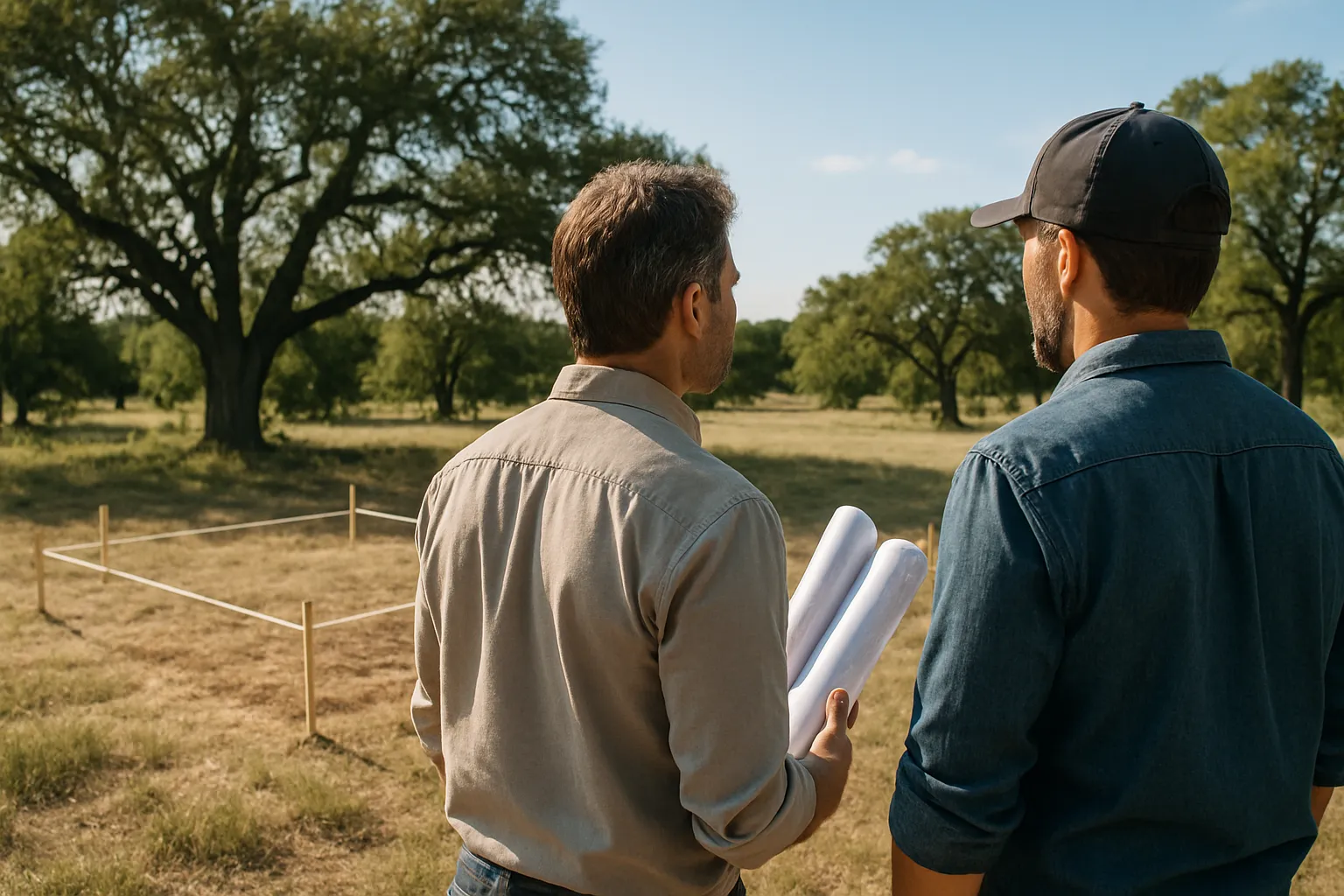 Land Buying GuideNo HOA Does Not Mean No Rules: Read Before You BuildDeed restrictions, utility rules, permits, and road standards can shape a rural homesite without an HOA.Read guide
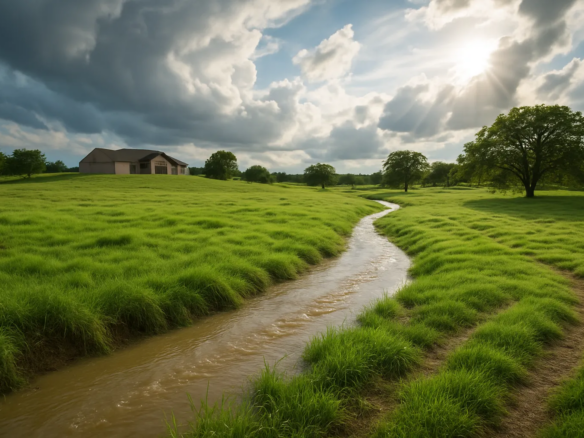
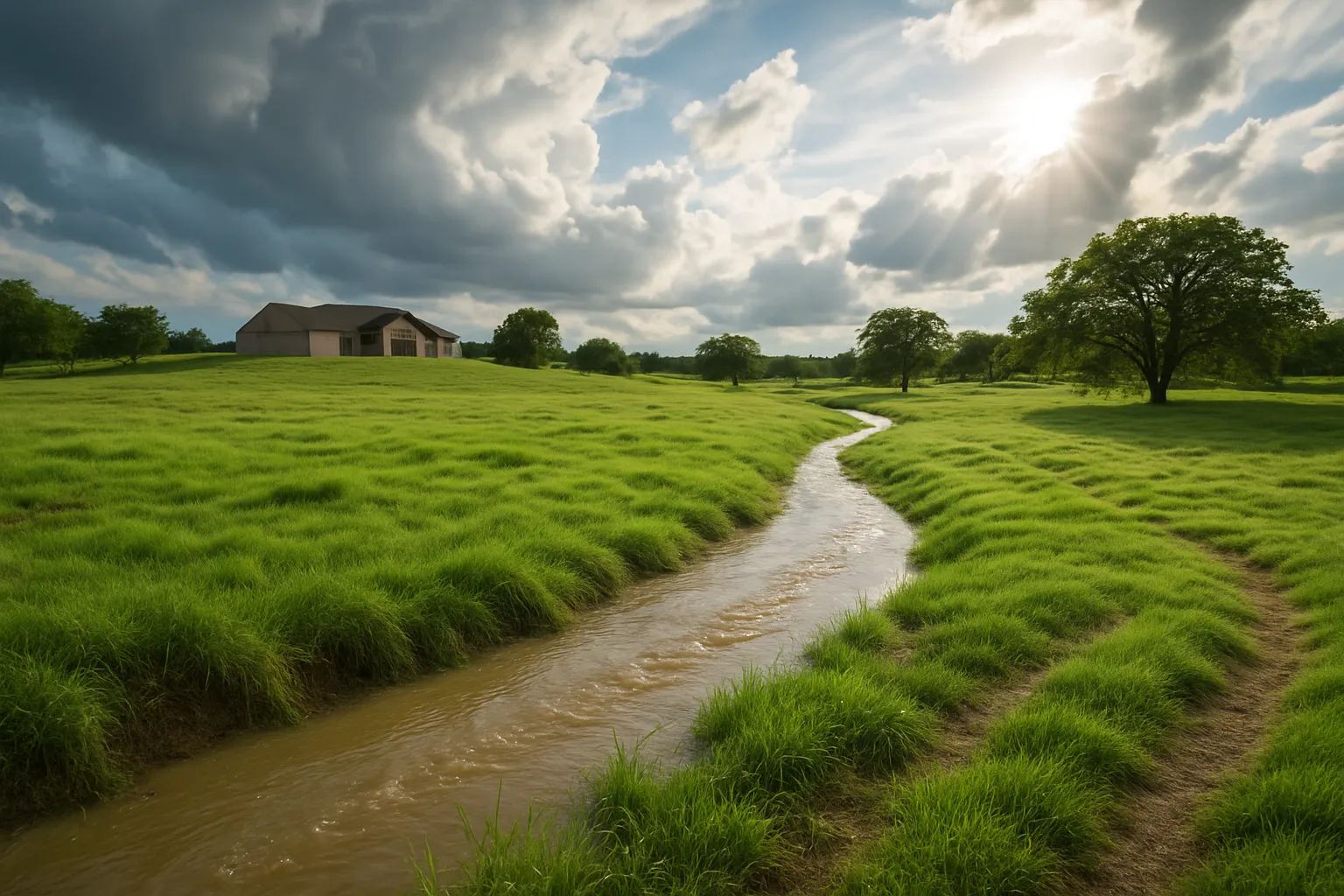 Land Buying GuideDrainage and Flood Risk: Look Beyond the FEMA LineThe best homesite is not only outside a mapped flood zone. It also stays dry and remains accessible after heavy rain.Read guide
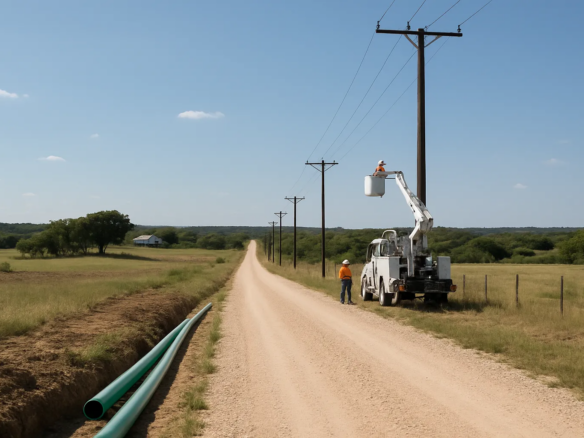
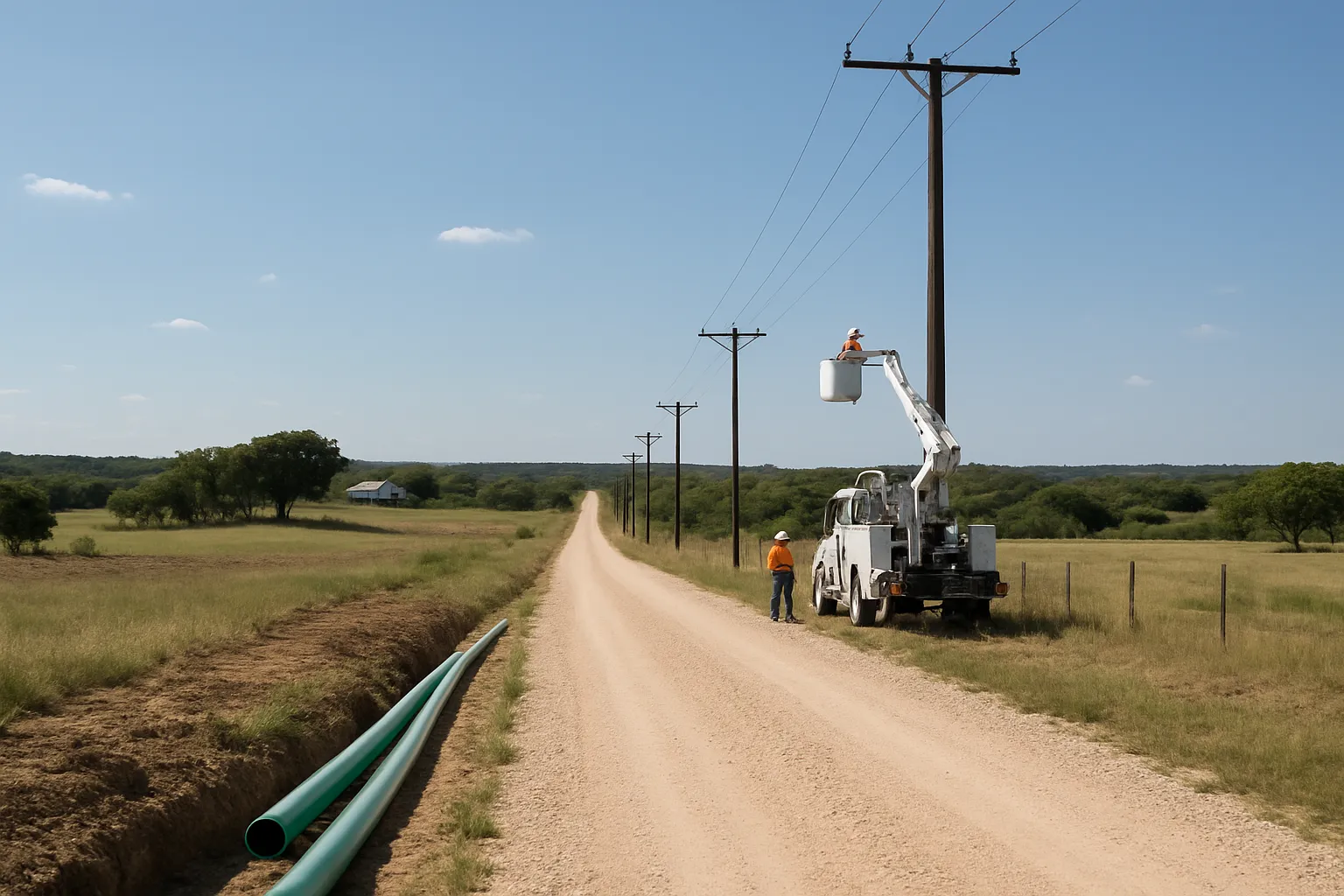 Land Buying GuideWhat It Costs to Bring Utilities to a Rural HomesiteThe nearest pole, line, or fiber marker is only the beginning of a real utility estimate.Read guide
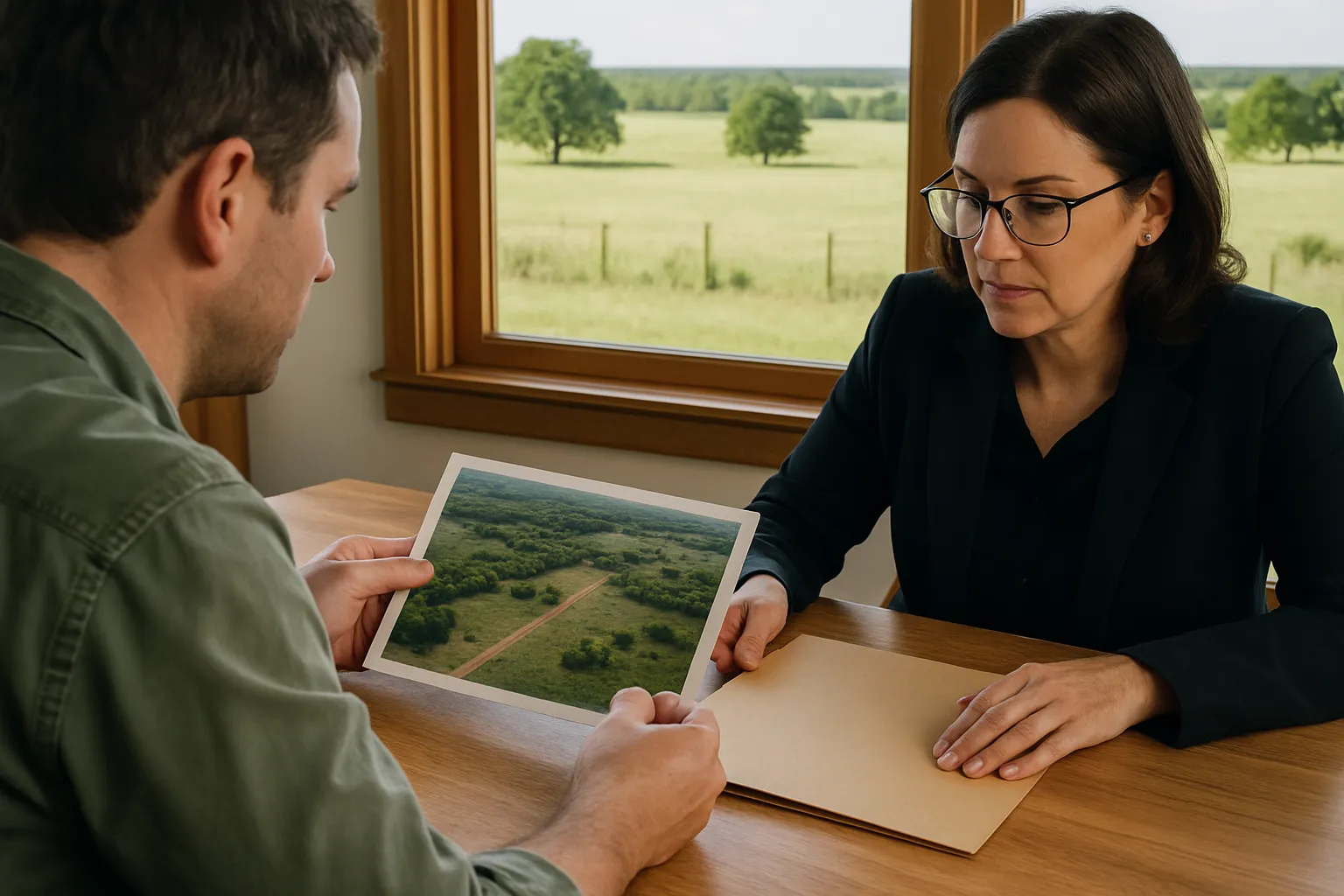 Land Buying GuideFinancing and Closing on Rural Land Without SurprisesLand loans, feasibility periods, surveys, and title deadlines work differently from a typical home purchase.Read guide
Put the checklist to work
If you want to walk real Central Texas acreage, Valley Crest offers 10-to-18-acre tracts with surveys, recorded plats, deeded access, and disclosed utility information.